


The private company LLC «FC «HERTZ» has been legally established as a co-owner of the personal data of Ukrainian citizens registering for the electronic queue on the official websites of the State Migration Service of Ukraine (SMSU) and the State Enterprise «Document». Commission fees for state services and technical support are processed through the firm’s integrated resources without offering users a convenient alternative.

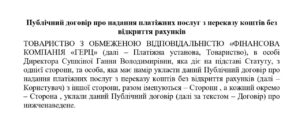
When registering for the «Electronic Queue» service on the SMSU website, users are required to accept the terms of a public offer. According to the contract text and the «Notice on Personal Data Processing» document, LLC «FC «HERTZ» acts as a full co-owner and processor of payers’ data alongside SE «Document».
Citizens’ information is stored in the «QMotion Suite» queue management system for up to five years. Furthermore, if issues arise regarding payment receipts, the SMSU support service redirects citizens to the private email address [email protected], where applicants must submit their full name and ticket number.
«The owner and processor of personal data processed via software tools are SE ‘Document’ and LLC ‘HERTZ’.»
The payment system is directly integrated into the official SMSU page via iframe technology. The server generates the payment gateway dynamically, making the private intermediary the default option for paying administrative fees.
According to clause 1.9 of the public contract, commission rates for funds transfer are determined unilaterally by the company on its own web resource. However, fixed commission rates for specific public services are not publicly listed on their rates page.
According to public registries, LLC «FC «HERTZ» belongs to businessman Kostiantyn Tkach, whose corporate entities have been linked to criminal proceedings under Article 212 of the Criminal Code of Ukraine (tax evasion).
Simultaneously, previous audits of the state contractor itself — SE «Document» — revealed financial violations totaling over 71 million UAH. Transferring personal data and payment flows under these conditions presents additional risks to citizen security and data privacy.